Anxiety & Depression
 23 October 2026
🕒 6 min read
When the Days Get Shorter: Seasonal Low Mood, SAD and How Therapy Helps
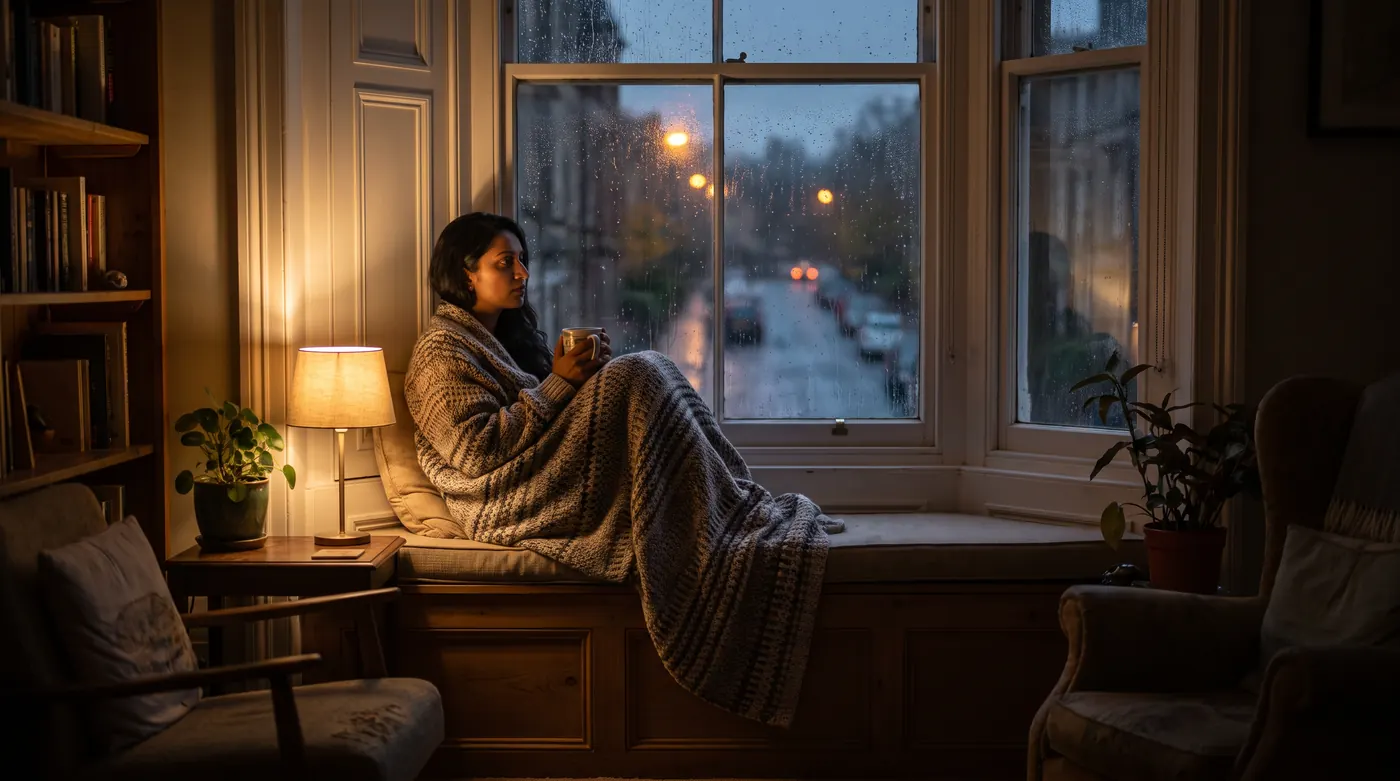
This Sunday the clocks go back, and for many people it marks the moment autumn starts to feel heavy. Darker evenings, grey mornings, less energy, more time under a blanket. For some that’s a passing dip. For others it is a pattern that returns every year and makes the winter months genuinely hard to get through.
If you notice your mood, energy or motivation sliding at this time of year, it is worth understanding what might be going on, and knowing that it is something that can be helped.
The NHS describes seasonal affective disorder (SAD) as “a type of depression that usually happens in the winter”. Symptoms can include persistent low mood, losing interest in things you usually enjoy, sleeping more, a bigger appetite, difficulty concentrating, and feeling guilty, hopeless or worthless.
Plenty of people feel a bit flatter when the days shorten, and that doesn’t automatically mean SAD. The difference is usually about degree and impact. Mind is clear that SAD is more than feeling “a bit low” in winter, and that it can affect your life just as much as other types of depression. If the seasonal change is affecting your work, relationships or ability to look after yourself, and it keeps coming back each year, that is worth taking seriously.
Mind explains that reduced light exposure can affect several processes in the body, including your internal body clock and the hormones involved in sleep and mood, such as melatonin and serotonin. In practice, many people describe feeling as if their system is slowly powering down: wanting to sleep more, withdrawing from plans, and finding ordinary tasks far more effortful.
It is also worth noticing that not all seasonal low mood is about light. Mind points out that some people find certain times of year hard because of what they are linked to, such as an anniversary of a loss or a difficult event. For people living far from family, the run-up to winter holidays can bring its own kind of loneliness. These experiences may not be SAD in the formal sense, but they still deserve support.
If the darker months tend to weigh on you, you don’t have to wait until you are struggling to ask for support. I offer online sessions across the UK and internationally, and a free initial consultation is a relaxed way to talk through what winter is like for you. Book a free consultation →
Chase the daylight. The NHS suggests getting as much natural daylight as you can, and going outside in the daytime every day. A walk at lunchtime, working near a window, or getting outside first thing can make more difference than it sounds.
Keep moving. Regular exercise is one of the NHS’s recommended ways to help manage symptoms. It doesn’t have to be intense; consistency matters more.
Stay connected. The instinct to hibernate is strong, but the NHS also recommends staying in contact with friends and family. Keeping a few small, regular commitments on the calendar can stop the winter from becoming isolating.
Plan ahead. If you know this time of year is difficult for you, it can help to plan for it in advance rather than waiting until you are already struggling: lighter workloads where possible, things to look forward to, and support lined up.
Talk to your GP. The NHS advises seeing a GP if you think you might have SAD. Treatment options include talking therapies such as cognitive behavioural therapy (CBT) and counselling, antidepressants, and light therapy, although the NHS notes light therapy is not usually available on the NHS. In England you can also refer yourself to NHS talking therapies without seeing a GP first.
Winter doesn’t have to be something you simply endure. When you understand your own pattern, you can start planning for it rather than bracing against it.
Therapy can help in a few different ways. It can help you notice the early signs of your own seasonal pattern, so you can act sooner. It can work directly with the thoughts that tend to arrive with low mood, the sense of failing or of everything being pointless, and help you respond to them differently. And it gives space to explore anything else the season brings up, whether that is grief, loneliness, or the particular experience of being far from home when the nights draw in.
If you have moved to the UK from somewhere with more daylight, the first few British winters can come as a real shock. I relocated from Hong Kong myself in 2021, and it can help to talk about that adjustment with someone who understands it.
If this time of year is hard for you, you don’t have to wait until you are deep into winter to ask for support. I work online via Google Meet with clients across the UK and internationally, so sessions can fit around you, however dark it is outside.
If you would like to know more about how I work, including fees and what to expect, see my page on online therapy for anxiety and depression.
A free initial consultation is a relaxed, no-pressure conversation about how you’re feeling and whether therapy could help this winter. I work with adults across the UK and internationally via online sessions on Google Meet.